Why Busan is one of Asia's most complex executive hiring markets
The standard playbook for filling senior roles fails in Busan. Job postings attract people who are already looking. In a city where the executive talent pool is small, specialised, and tightly networked across port operations, marine research, and financial services, the people who are already looking are rarely the people you need.
Busan's leadership market is shaped by forces that do not exist in Seoul, and that most generalist recruiters do not understand.
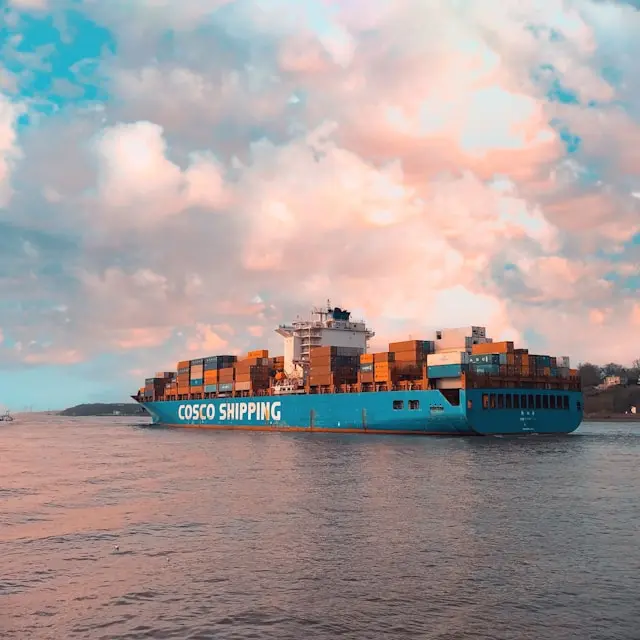
Busan's economy revolves around a single dominant ecosystem: port-linked maritime logistics handling roughly 25 million TEU annually, supported by marine R&D institutions, ship-supply manufacturing, and a regional banking sector anchored by BNK Financial Group. The executive community across these sectors is compact. A poorly handled approach, a mispositioned offer, or an indiscreet outreach campaign travels through this network within days. The cost is not just a failed hire. It is reputational damage to the employer brand that lingers for years.
Korea's demographic decline is acute. Busan faces the compounding pressure of competing against Seoul's gravitational pull for experienced leaders in fintech, AI, logistics technology, and R&D management. The city's 2025 foreign resident support plan and quality-of-life investment programmes are explicit responses to this reality: without relocation incentives, housing support, and international schooling, Busan struggles to attract the calibre of executive that its ambitions require. Every search here must account for the total proposition, not just the compensation number.
Busan's blockchain regulatory sandbox and municipal digital asset exchange pilots have attracted fintech startups and financial institutions running tokenisation and real-world asset pilots. But national FSC supervision of virtual assets is evolving month by month. The compliance and product leaders this cluster needs must combine deep technical knowledge with regulatory agility. They are scarce nationally. The few who qualify are the definition of the hidden 80% of passive talent that conventional search methods cannot reach.
These dynamics demand a partner with continuous market intelligence, not one that starts from zero when the mandate arrives. That is the core of the Go-To Partner model on which every Busan engagement is built.