Why Kocaeli is one of the hardest executive markets in Turkey
Posting a senior role on a Turkish job board and expecting qualified candidates to appear does not work here. Kocaeli's executive talent market is shaped by forces that make conventional recruitment methods ineffective. The province's GDP per capita sits at roughly $19,400, more than twice the national average. That wealth concentration reflects the calibre of the companies operating here and the premium those companies already pay to retain their leaders.
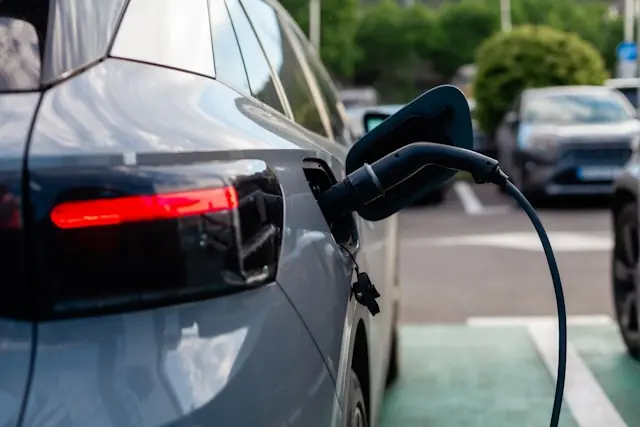
Ford Otosan completed its €1.1 billion electrification retooling in late 2025. Hyundai Assan invested $200 million in battery pack assembly. Across the Gebze-Derince supplier corridor, 400+ SMEs are pivoting from ICE components to thermal management systems, power electronics, and lightweight materials. The cluster shed 12% of its powertrain machining roles since 2024 while adding 4,200 new positions in battery systems, power electronics, and EV platform architecture. Plant directors who built careers around combustion engine production lines are not automatically qualified to lead electrified facilities. The leadership profiles these OEMs need barely existed in Turkey three years ago.
Kocaeli's industrial community is concentrated and interconnected. Ford Otosan, Hyundai Assan, Bosch, and their Tier-1 suppliers draw from the same finite group of bilingual technical leaders with German or English language capability and advanced manufacturing experience. When one employer approaches a battery systems engineer or a regional supply chain head, the entire network knows within days. This is not Istanbul, where sheer market size provides some anonymity. Here, every senior search is visible. Process quality and discretion are not nice-to-haves. They are prerequisites. The hidden 80% of passive talent that defines any healthy executive search is even harder to reach when the professional community is this tightly knit.
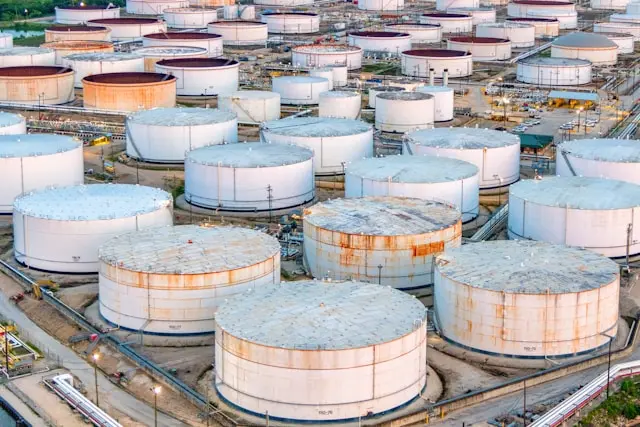
EU CBAM Phase 2 compliance, mandatory seismic retrofitting of all pre-2000 industrial facilities by 2027, Dilovası air quality regulations, and IMO maritime emission standards are converging simultaneously. Local conglomerates like Yıldız Holding and OYAK are hiring Chief Sustainability Officers to manage Scope 3 emissions reporting. Chemical processors face €300 million in scrubber installations. These are not incremental changes. They are existential. The executives who can lead through simultaneous green compliance, seismic resilience investment, and operational transformation are scarce across all of Turkey, let alone within Kocaeli's borders.
This is the kind of market where a Go-To Partner approach matters. Not a firm that starts researching when it receives a brief, but one that already understands who holds which roles, which leaders are approaching the end of non-compete periods, and what compensation it takes to move the calibre of executive these mandates require.