Why Baden-Württemberg is a high-friction executive hiring market
Standard recruitment underperforms in Baden-Württemberg because the best candidates rarely apply, role scope is shaped by co-determination, and compensation expectations sit above national medians. When a mandate touches electrification, software, or operations resilience, the shortlist depends on credibility and discretion.
Senior leaders in OEMs, Tier-1 suppliers, and world-market-leading Mittelstand firms are usually in-role and performing. In the Stuttgart executive market, that creates high passive-candidate ratios and low response tolerance for generic outreach. A serious approach starts with the hidden 80% and builds a conversion plan around strategy, not job ads.
In Germany, stakeholder planning is not an afterthought when Betriebsrat or supervisory board processes apply. Search design must protect confidentiality while recognising Mitbestimmung realities, especially for public-company or high-visibility appointments. That is why we treat mandate definition and onboarding risk as part of the search, not “post-offer” administration.
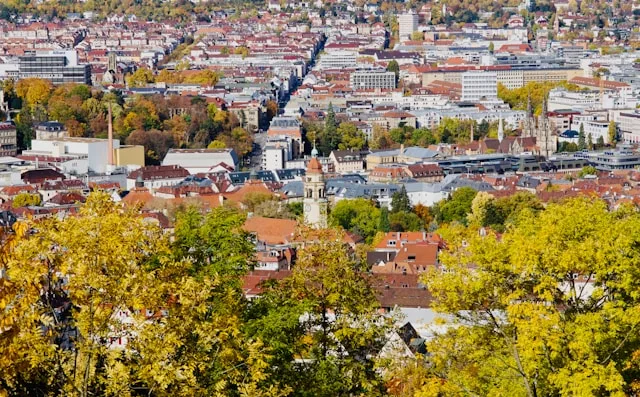
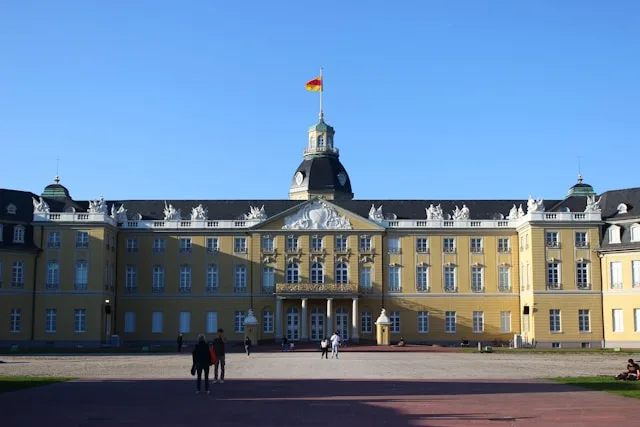
Baden-Württemberg concentrates decision-making in a few corridors, then distributes plants, R&D sites, and supplier networks across the Land. The Mannheim leadership market is shaped by the Rhine transport corridor and the Port of Mannheim, while Stuttgart drives OEM gravity and Karlsruhe pulls digital and energy-facing leadership. Good search work follows mobility patterns and multi-site realities, rather than forcing one-city shortlists.
This is where a long-term Go-To Partner model matters, because it keeps market intelligence current and reduces time lost to “first-contact learning.” KiTalent’s approach combines sector-native assessment with transparent weekly reporting, grounded in what we have learned through global partnerships described on our about page.