Why Lower Saxony is a transformation-led hiring market with tight supply
Standard recruitment underperforms in Lower Saxony because many roles sit at the intersection of industrial change, regulated labour relations, and hard-to-relocate operational leadership. Candidate availability is further constrained by shortages in engineering, digital, project delivery and specialist operations, which intensifies competition for credible transformation leaders.
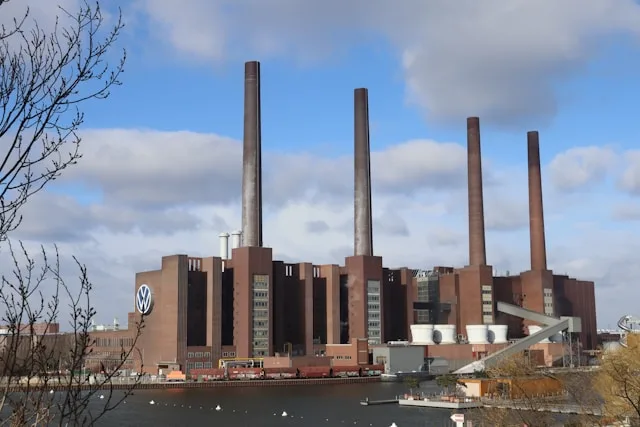
In large employers and suppliers, Mitbestimmung and active works councils shape how mandates are approved, communicated and executed. The best candidates expect clarity on stakeholder ownership, supervisory-board dynamics, and how decisions will be made once they arrive. This is especially visible in high-profile industrial ecosystems such as Wolfsburg, where leadership remit and labour relations are inseparable.
Central Lower Saxony concentrates corporate headquarters, R&D links and service leadership. Coastal and western nodes centre on ports, logistics, offshore wind and energy infrastructure, where leadership density is lower and relocation needs more deliberate packaging. In practice, searches often start from the central market in Hanover and then extend into coastal operations with tailored incentives.
Many target leaders are embedded in incumbent OEMs, Tier-1 suppliers, utilities or steel. They do not apply, and they protect confidentiality because the cost of being visible is high. That is why the hidden 80% matters in this Land, and why our work is grounded in long-term intelligence from the start.
This is where a Go-To Partner model helps: continuous mapping, role calibration, and process transparency that protects employer brand while competing for scarce leaders.