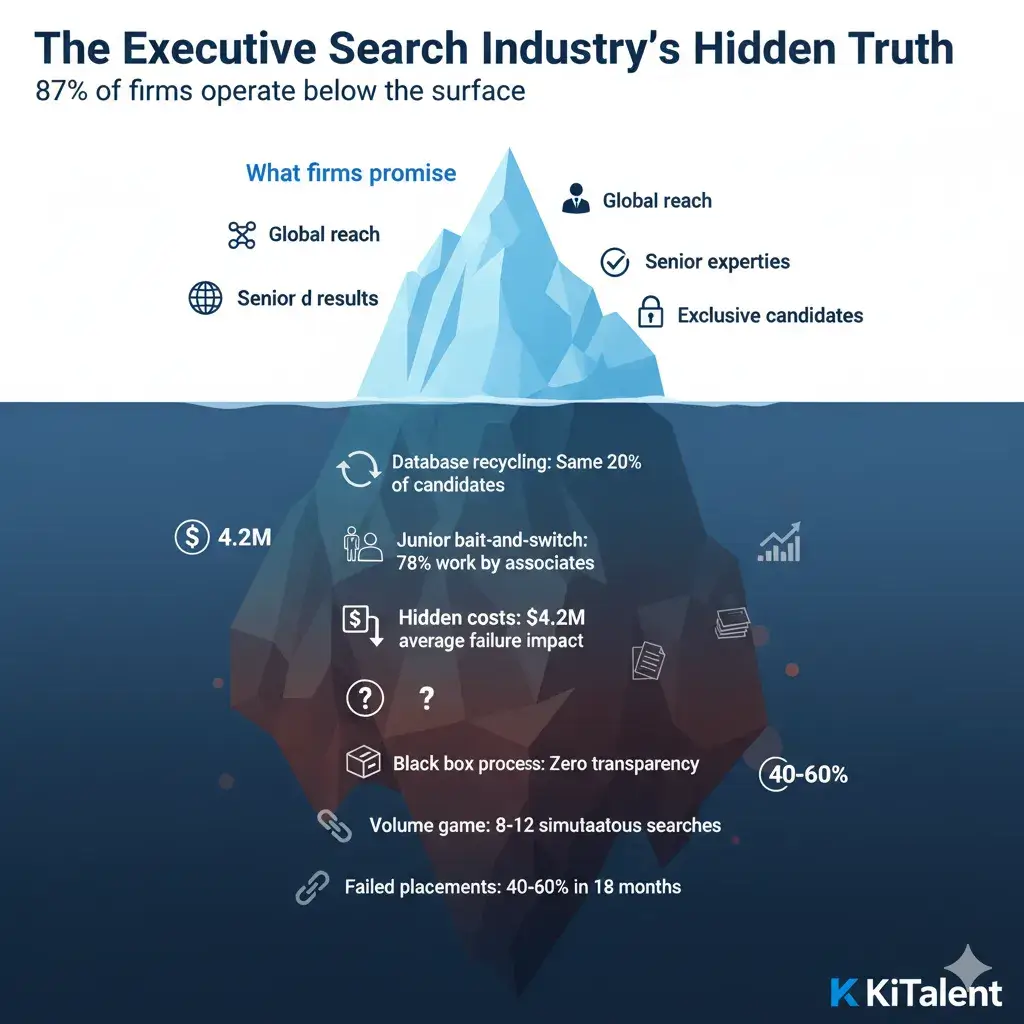
Executive Search क्या है?

Executive Search एक retained, research-led दृष्टिकोण है जो वरिष्ठ नेताओं और बोर्ड निदेशकों की नियुक्ति के लिए होता है, जब आवेदकों की संख्या से अधिक गोपनीयता, निष्क्रिय उम्मीदवार तक पहुंच, और निर्णय की गुणवत्ता मायने रखती है।

हमारी टीम से संपर्क करें

रणनीतिक नियुक्तियों, कड़े बाजारों और उन उम्मीदवारों के लिए जो आवेदन नहीं करते। India में लागू होने वाले mandate के लिए प्रासंगिक।

Built for high-stakes leadership mandates

CEO, CFO and COO hiringConfidential replacement searchPassive-candidate mapping

Direct outreach, calibrated shortlist design and decision support when quality matters more than applicant volume.

Executive Search की परिभाषा और अर्थ

यदि आप पूछ रहे हैं कि Executive Search क्या है, तो इसका सबसे स्पष्ट उत्तर यह है: यह एक विशेषज्ञ सलाहकार सेवा है जिसका उपयोग उच्च जोखिम वाली भूमिकाओं के लिए वरिष्ठ अधिकारियों या निदेशकों की पहचान करने, उनका मूल्यांकन करने और उन्हें सुरक्षित करने के लिए किया जाता है। उद्योग की शर्तों में, Association of Executive Search and Leadership Consultants (AESC) Executive Search को एक पेशेवर सेवा के रूप में परिभाषित करता है जिसे आमतौर पर विशेष रूप से उन leadership mandates के लिए retained किया जाता है जहां विवेक, बाज़ार अंतर्दृष्टि और कठोर मूल्यांकन आवश्यक हैं।

अधिकांश मध्य से वरिष्ठ स्तर की नियुक्तियों के लिए, सबसे अच्छा मॉडल जोखिम, गोपनीयता और प्रतिभा पूल की पहुंच पर निर्भर करता है। जब नेतृत्व की गुणवत्ता, निष्क्रिय-उम्मीदवार की पहुंच और संरचित मूल्यांकन आवेदक की मात्रा से अधिक मायने रखते हैं, तो कार्यकारी खोज एक मजबूत विकल्प बन जाती है, जबकि व्यापक भर्ती अभी भी सक्रिय बाजारों और स्पष्ट रूप से बेंचमार्क भूमिकाओं के लिए अच्छा काम कर सकती है। यदि आप सीधे उन मॉडलों की तुलना कर रहे हैं, तो [कार्यकारी खोज बनाम भर्ती एजेंसी] (/executive-search-vs-recruitment-agency) के लिए हमारी मार्गदर्शिका देखें।

Executive Search की परिभाषा केवल "उम्मीदवार खोजने" से कहीं व्यापक है। इसमें भूमिका का कैलिब्रेशन, market mapping, सक्रिय रूप से आवेदन नहीं कर रहे अधिकारियों तक सीधी पहुंच, संरचित मूल्यांकन, हितधारक प्रबंधन, और ऑफर तथा onboarding के माध्यम से सहायता शामिल है। इसीलिए Executive Search का अर्थ मानक रिक्ति भरने की तुलना में रणनीतिक नेतृत्व नियुक्ति के अधिक करीब है।

यदि आप यह तय कर रहे हैं कि किसी भूमिका के लिए retained search, मानक भर्ती, या आंतरिक hiring सहायता की आवश्यकता है, तो कौन सा hiring model सबसे उपयुक्त है पर यह गाइड एक व्यावहारिक अगला कदम है।

**भारतीय बाज़ार संदर्भ:** भारत में प्रमुख Executive Search फर्मों में ABC Consultants (भारत की सबसे पुरानी, 1969 से), Stanton Chase, Korn Ferry, Heidrick & Struggles, Egon Zehnder शामिल हैं। GCC (Global Capability Centers) विस्फोट: 2024 में भारत के GCCs में 25% वृद्धि हुई, जिससे भारत-स्थित वैश्विक बहुराष्ट्रीय operations के नेतृत्व हेतु executives की भारी माँग. भारतीय अनुबंध विधि के अंतर्गत भारतीय अनुबंध विधि के अंतर्गत रोज़गार-पश्चात non-compete **सामान्यतः अप्रवर्तनीय** — केवल रोज़गार अवधि के दौरान लागू; garden leave वरिष्ठ executives के लिए सामान्य विकल्प। Notice period: 30 दिन (क़ानूनी); executives के लिए सामान्यतः 2-3 महीने; CXO स्तर पर 3 महीने सामान्य।


जब कंपनियां Executive Search का उपयोग करती हैं

संगठन आमतौर पर Executive Search का उपयोग तब करते हैं जब भूमिका वाणिज्यिक रूप से महत्वपूर्ण होती है, उसे भरना कठिन होता है, या खुले बाज़ार में इसे प्रबंधित करना संवेदनशील होता है। सामान्य उदाहरणों में बोर्ड नियुक्तियां, CEO और C-suite hires, क्षेत्रीय या कार्यात्मक नेतृत्व भूमिकाएं, succession-critical mandates, और ऐसी भूमिकाएं शामिल हैं जहां गलत नियुक्ति की लागत असामान्य रूप सेสูง होती है। AESC मार्गदर्शन में गोपनीय खोजों,_cross-border_ mandates, नवनिर्मित नेतृत्व भूमिकाओं, और उन खोजों की भी बात की गई है जिनके लिए नौकरी विज्ञापन की तुलना में उम्मीदवारों की व्यापक श्रृंखला की आवश्यकता होती है।

बोर्ड के लिए, इसका अर्थ अक्सर CEO succession, चेयर या गैर-कार्यकारी निदेशक नियुक्तियां, और संवेदनशील नेतृत्व प्रतिस्थापन होता है। CEOs और CHROs के लिए, इसका अर्थ fundraising या exit से पहले CFO की नियुक्ति, परिवर्तन के दौरान CHRO, या जब डिजिटल क्षमता विकास में बाधा बन जाए तो CTO या CIO की नियुक्ति हो सकती है। private-equity sponsors और operating partners के लिए, Executive Search का उपयोग अक्सर portfolio-company upgrades, पहली बार कार्यात्मक नेतृत्व hires, और turnaround situations के लिए किया जाता है जहां गति मायने रखती है लेकिन सटीकता उससे भी अधिक मायने रखती है।

Executive Search हमेशा आवश्यक नहीं होता है। यदि भूमिका अच्छी तरह से परिभाषित है, उम्मीदवार बाज़ार सक्रिय है, गोपनीयता कोई मुद्दा नहीं है, और आंतरिक talent acquisition सही पूल तक पहुंच सकता है, तो कोई अन्य hiring model अधिक कुशल हो सकता है। मजबूत सलाहकार यही कहेंगे। Retained search का उपयोग सबसे अच्छा तब किया जाता है जब mandate इतना रणनीतिक हो कि गहरे शोध, कठोर governance, और अधिक नियंत्रित प्रक्रिया को उचित ठहराया जा सके।

Executive Search बनाम पारंपरिक भर्ती

Executive Search और पारंपरिक भर्ती के बीच मुख्य अंतर केवल वरिष्ठता नहीं है; यह operating model है। Executive Search आमतौर पर retained और exclusive होता है, जो फर्म को full-market mapping, calibrated outreach, और संरचित मूल्यांकन में निवेश करने की अनुमति देता है। पारंपरिक भर्ती, विशेष रूप से contingency recruitment, अक्सर तेज़ी से बदलने वाली भूमिकाओं के लिए डिज़ाइन की जाती है जहां उम्मीदवारों की उपलब्धता व्यापक होती है और सक्रिय आवेदकों पर अधिक निर्भरता होती है।

नेतृत्व स्तर पर, hiring का प्रश्न शायद ही कभी "किसने पहले आवेदन किया?" होता है। यह अक्सर "कौन नौकरी कर सकता है, संदर्भ में फिट बैठ सकता है, और हितधारकों का विश्वास जीत सकता है?" होता है। यह प्रक्रिया को बदल देता है। Search बाज़ार कवरेज, उम्मीदवार की गुणवत्ता, निर्णय, और जोखिम कम करने के вокруг बनाया जाता है। भर्ती अक्सर गति, pipeline volume, और तत्काल उपलब्धता के вокруг बनाई जाती है। किसी भी मॉडल सभी मामलों में स्वाभाविक रूप से बेहतर नहीं है, लेकिन वे अलग-अलग समस्याओं को हल करते हैं।

Executive Search को headhunting से अलग करना भी उपयोगी है। Headhunting आमतौर पर सीधे उम्मीदवार पहुंच को संदर्भित करता है। Executive Search में यह शामिल है, लेकिन यह आगे बढ़ता है: brief को परिभाषित करना, हितधारकों को संरेखित करना, नेतृत्व फिट का मूल्यांकन करना, गोपनीयता का प्रबंधन करना, और निर्णय का मार्गदर्शन करना। दूसरे शब्दों में, headhunting search के अंदर एक रणनीति हो सकती है; यह पूरी सेवा नहीं है।

Executive Search फर्में क्या करती हैं?

एक सामान्य खरीदार प्रश्न यह है: उम्मीदवारों को पेश करने से आगे Executive Search फर्में क्या करती हैं? सर्वोत्तम स्थिति में, वे hiring authority के सलाहकार के रूप में कार्य करती हैं। वे mandate को आकार देने, brief के बारे में धारणाओं को चुनौती देने, भूमिका में सफलता कैसी दिखती है इसे परिभाषित करने, और बाज़ार तक पहुंचने से पहले बोर्ड, CEO, निवेशकों, या HR नेतृत्व को स्पष्ट निर्णय मानदंडों के вокруг संरेखित करने में सहायता करती हैं।

इसके बाद वे संबंधित बाज़ार का शोध करती हैं, लक्षित कंपनियों और तुलनीय talent pools का मैपिंग करती हैं, एक longlist बनाती हैं, और उम्मीदवारों को गोपनीय रूप से और सीधे संपर्क करती हैं। यह काम विशेष रूप से मूल्यवान होता है जब सबसे मजबूत अधिकारी कहीं भी आवेदन नहीं कर रहे होते, जब भूमिका नई होती है, या जब क्लाइंट को यह तय करने से पहले बाज़ार का दृश्य चाहिए कि "महान" कैसा दिखता है। यदि आप [Executive Search कैसे काम करता है](/how-executive-search-works) का गहरा वॉकथ्रू चाहते हैं, या विशिष्ट [Executive Search प्रक्रिया](/executive-search-process) का अधिक विस्तृत दृश्य चाहते हैं, तो दोनों गाइड यांत्रिकी को अधिक गहराई से समझाती हैं।

अंतिम चरण उतने ही महत्वपूर्ण हैं। Search फर्में आमतौर पर उम्मीदवार मूल्यांकन, संदर्भ जांच, शॉर्टलिस्ट निर्माण, इंटरव्यू ऑर्केस्ट्रेशन, ऑफर पोजिशनिंग, और क्लोज़ प्रबंधन का प्रबंधन करती हैं। मजबूत फर्में onboarding और integration का भी समर्थन करती हैं, क्योंकि एक सफल search केवल स्वीकार किया गया ऑफर नहीं है; यह एक नेता है जो अच्छी तरह से लैंड करता है और मूल्य बनाता है।

Why passive candidates matter

One of the biggest reasons executive search exists is that many strong leaders are not active job seekers. They are performing well, well compensated, and selective about change. LinkedIn and SHRM have both reinforced a point every experienced search consultant already knows: passive talent requires a different strategy from posting a role and waiting for responses.

At senior level, access depends on credibility, timing, and the quality of the conversation. The initial outreach has to make strategic sense to the candidate. The mandate must be presented in a way that reflects the scale of the opportunity, the governance context, and the real reasons the role matters. That is why market mapping and tailored outreach are central to executive search. It is not enough to know who might fit; the approach must be strong enough to engage them.

This is also where retained search can widen the field beyond the obvious network. Boards and CEOs often start with familiar names. A disciplined search broadens that view by testing adjacent sectors, international markets, diverse backgrounds, and non-obvious but highly relevant leadership profiles. That often improves both the quality and resilience of the final shortlist.

Why confidentiality matters in executive search

Confidentiality is not a branding extra in executive search; it is often the reason the model is chosen. A company may be replacing an incumbent, preparing for a succession event, hiring ahead of a transaction, or addressing a leadership gap that would create unnecessary noise if handled publicly. At board and C-suite level, open-market advertising can send signals to employees, competitors, customers, and investors that the business would prefer to control.

In practice, confidentiality means more than "being discreet." It includes restricted stakeholder access, controlled documentation, careful briefing, staged disclosure to candidates, and disciplined outreach that protects both the client and the executives being approached. A serious search partner will also explain how it manages conflicts of interest, data handling, and off-limits constraints, because governance matters as much as reach.

Confidentiality also protects candidates. Senior executives rarely want exploratory conversations to become visible to their employer or market. A well-run search creates a process where both sides can assess fit without unnecessary exposure. That increases candour, improves decision quality, and reduces reputational risk on both sides.

How to decide whether executive search is the right model

The right question is not "is this role senior enough?" but "how much risk sits inside this hire?" If the appointment will influence strategy, investor confidence, succession, transformation, or enterprise value, executive search is often justified. The same is true when the role is hard to benchmark, geographically complex, or requires access to executives who will not respond to an advert.

When evaluating a firm, look beyond sector labels and ask practical questions. How will the brief be calibrated? How broad will the market map be? Who will do the search day to day? How are candidates assessed? What are the firm's off-limits rules? How are conflicts managed? What are the likely timelines? And, importantly, how executive search fees work for the type of mandate you are considering. Premium search should come with clear process, clear accountability, and clear governance.

If you are preparing for a board, C-suite, or other business-critical appointment, it is worth reviewing the scope of KiTalent Executive Search. The best search relationships are not transactional; they are built around judgement, market credibility, and the ability to help clients make sound leadership decisions under pressure.

अक्सर पूछे जाने वाले प्रश्न

सही खोज मॉडल पर चर्चा करें

यदि आप बोर्ड, C-suite, या अन्य उच्च-जोखिम वाली नियुक्ति का आकलन कर रहे हैं, तो KiTalent यह निर्धारित करने में आपकी सहायता कर सकता है कि Executive Search सही मॉडल है या नहीं और mandate को प्रभावी ढंग से कैसे संरचित किया जाए।

खोज शुरू करें

असाधारण नेतृत्व खोजने के लिए तैयार हैं? हम अपनी सिद्ध कार्यप्रणाली के माध्यम से 10-15 दिनों के भीतर योग्य उम्मीदवार प्रस्तुत करेंगे।

हमारे नेटवर्क में शामिल हों

क्या आप Executive करियर के अवसरों का अन्वेषण कर रहे हैं? अनविज्ञापित पदों और रणनीतिक करियर मार्गदर्शन तक पहुंचने के लिए हमारे नेटवर्क में शामिल हों।