Why Vlorë is a deceptively difficult executive market
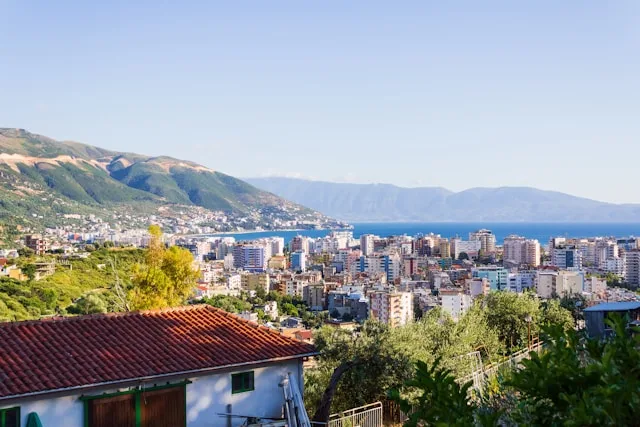
From the outside, Vlorë looks like a straightforward growth story. GDP per capita has climbed from €6,900 to €8,400 in three years. Energy FDI surged 14.3% year-on-year. A new international airport connects the city to Munich, London, Rome, and Istanbul. But this momentum is precisely what makes executive hiring here treacherous.
The talent pool for senior roles does not scale with capital investment. It never does in transitional economies. And Vlorë's specific combination of sector novelty, language complexity, and compressed timelines creates conditions where conventional recruitment methods produce either no candidates or the wrong ones.
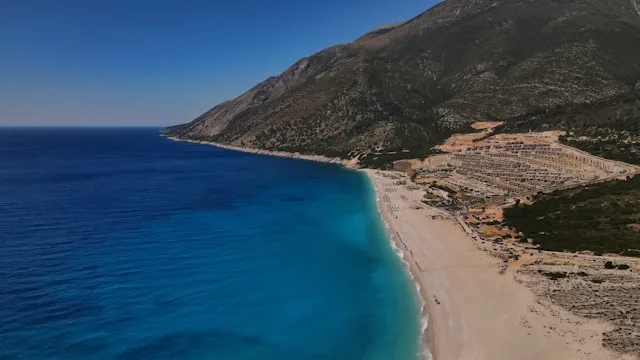
Vlorë is building two distinct economies simultaneously. Porto Romano is becoming a heavy-energy logistics hub, centred on the €500M LNG terminal and the Trans Adriatic Pipeline maintenance corridor. The coastline, meanwhile, is transforming into a year-round luxury hospitality destination, anchored by Marriott and Meliá properties and fuelled by 4,200 long-stay digital nomads. These two economies require entirely different leadership profiles. An LNG safety director and a branded-residence general manager share nothing except a postcode. Yet both must be recruited from outside Vlorë, often from outside Albania, and both must be convinced that this city is worth the move. The executive search challenge is not one problem. It is two, running in parallel.
In most European markets, English proficiency is the baseline. In Vlorë, the picture is more layered. Italian and Greek remain essential for tourism and maritime middle management. But German now commands an 18% wage premium in energy-sector roles, driven by TÜV certification requirements and the involvement of German-speaking engineering contractors. A senior hire who speaks German, understands LNG safety protocols, and is willing to relocate to a city with a 10.8% unemployment rate and limited international schooling is not someone who responds to a job posting. That profile must be found, approached individually, and persuaded. This is the territory of direct headhunting, not recruitment advertising.
The LNG terminal entered construction in January 2026 with 1,200 direct jobs at peak build-out. Kurum Holding's 80 MW solar park is already operational. A floating solar pilot launched in late 2025. Grid upgrades are racing to keep pace. In this environment, every month a project director seat sits empty translates directly into construction delays, cost overruns, and regulatory risk. The firms operating here cannot afford the 8-to-12-week timelines that traditional search firms consider normal. They need a Go-To Partner that has already mapped the relevant talent before the mandate arrives. That is the only way speed and quality coexist in a market this tight.