Why Croatia requires a different search approach
Croatia's executive market is smaller than those of its EU neighbours but considerably harder to read from outside. The country adopted the euro in 2023 and has posted real GDP growth above 3% for two consecutive years. Those headline figures attract investment. They do not, however, reveal how concentrated senior talent is, how competitive the retention environment has become, or how decisively the country's economic profile is shifting away from tourism dependence.
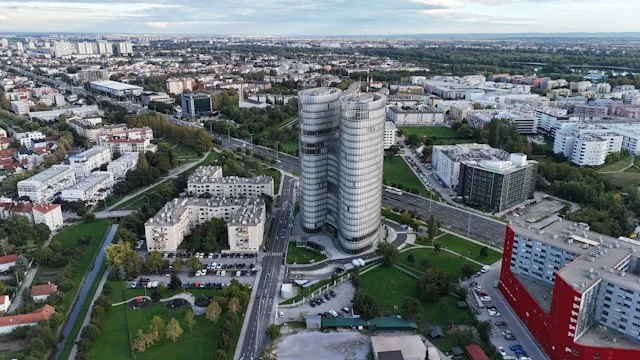
Croatia's population is declining. Long-term ageing and emigration to higher-wage EU markets have compressed the available pool of experienced managers and technical leaders. In Zagreb, where finance, technology and advanced manufacturing converge, a senior hire at one firm is almost certainly known to three others. Discretion in outreach is not a courtesy; it is a precondition. Reaching the hidden 80% of professionals who are not actively seeking roles demands direct, confidential engagement rather than job-board advertising.
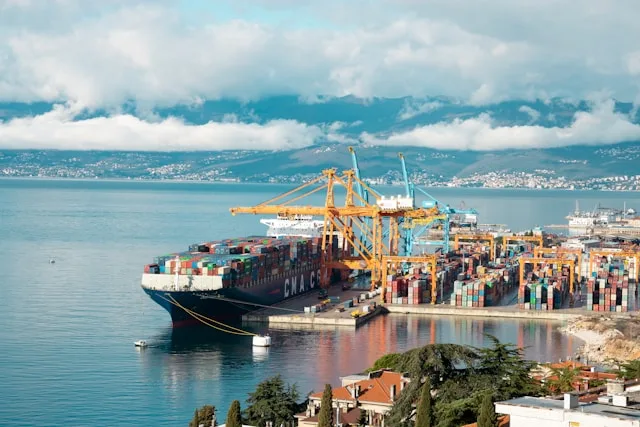
Croatia's economy is no longer defined solely by tourism and food processing. Rimac Group has built a globally recognised electrification cluster. Infobip has scaled cloud communications to over 190 countries from its base near Zagreb. The Rijeka Gateway container terminal began commercial operations in 2025, creating an entirely new logistics corridor to Central Europe. Each of these developments generates demand for leadership profiles that did not exist in the Croatian market five years ago: heads of battery systems engineering, intermodal logistics directors, SaaS product executives. The local supply of these leaders is extremely thin.
Euro accession eliminated currency risk for multinational employers but also accelerated wage convergence. Croatian salaries for senior technical and managerial roles have risen sharply since 2023, and employers competing for power-electronics engineers or supply-chain directors now benchmark against Slovenian and even Austrian packages. Without current, role-specific compensation intelligence, mandates risk either overpaying relative to local norms or losing shortlisted candidates to counter-offers.
KiTalent operates as a Go-To Partner for organisations building leadership teams in markets exactly like this: tight, relationship-driven and undergoing rapid sectoral change. Our European headquarters in Turin coordinates Croatia mandates with consultants who understand the Adriatic corridor, Central European manufacturing networks and the specific dynamics of Zagreb's professional community.