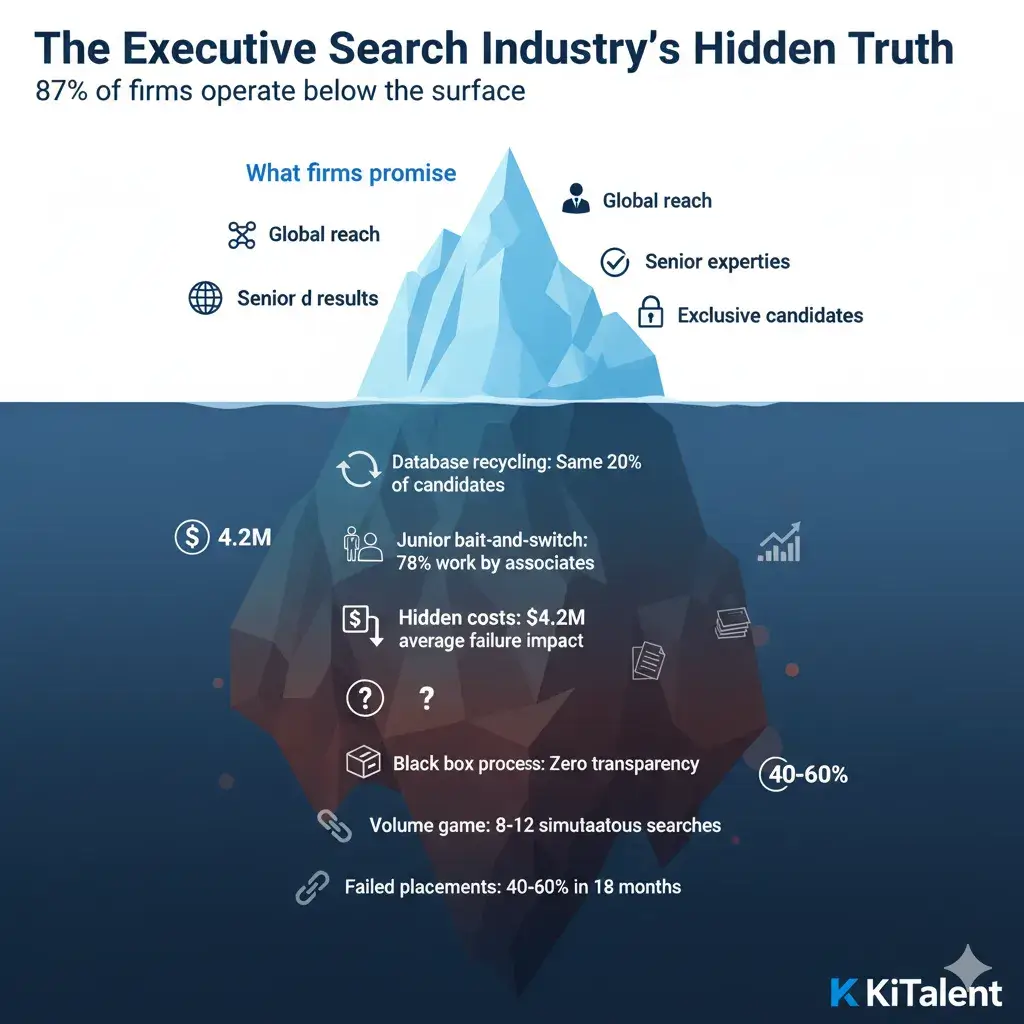
The executive search lifecycle works best when governance is explicit. Clients should expect regular progress updates, market intelligence, calibrated recommendations, and transparency about challenges. Weekly or biweekly reporting is typical in active phases of the search. These updates should not simply list activity; they should explain what the market is saying, where the brief may need refinement, and what decisions are required from the client to keep the search on track.
Confidentiality should be handled with the same seriousness as assessment. For replacement situations, sensitive restructurings, or investor-led leadership changes, this means staged disclosure, careful document control, and targeted outreach. Candidates should receive enough information to evaluate credibility, but not so much that a confidential process becomes exposed prematurely. Done well, confidentiality protects both the client's strategic interests and the candidate's current position.
Search timing is shaped by role complexity, geography, stakeholder availability, and market accessibility. Many senior mandates conclude within roughly three to six months, though urgency, cross-border scope, or unusual profile requirements can lengthen or compress that range. What matters more than headline duration is whether the process has the right pace and decision discipline. Our executive search timeline explains how long a search takes and where delays most commonly occur.
Clients should also expect support beyond signature. Senior appointments succeed or fail early, often in the first 90 to 180 days. Effective post-placement support includes transition planning, stakeholder alignment, and follow-up to address integration risks before they become performance issues. For additional detail on questions clients often ask, including guarantees, confidentiality, and process design, our supporting guidance expands on the practical issues that matter most.