Several factors shape executive search fees beyond the basic percentage. Seniority matters, but so do function scarcity, geography, language requirements, relocation expectations, stakeholder complexity and confidentiality. A regional CFO search with a well-defined market will usually be simpler than a global CEO search, a first-time CHRO hire for a sponsor-backed platform, or a board search requiring sector-specific governance credibility.
Scope also changes price. Some engagements cover only identification and placement. Others include benchmarking, market mapping, candidate assessment, compensation calibration, referencing support, board presentation preparation and post-hire integration input. This is why clients should ask directly what executive search fees cover. The difference between fee proposals often lies less in percentage and more in what is included in fees.
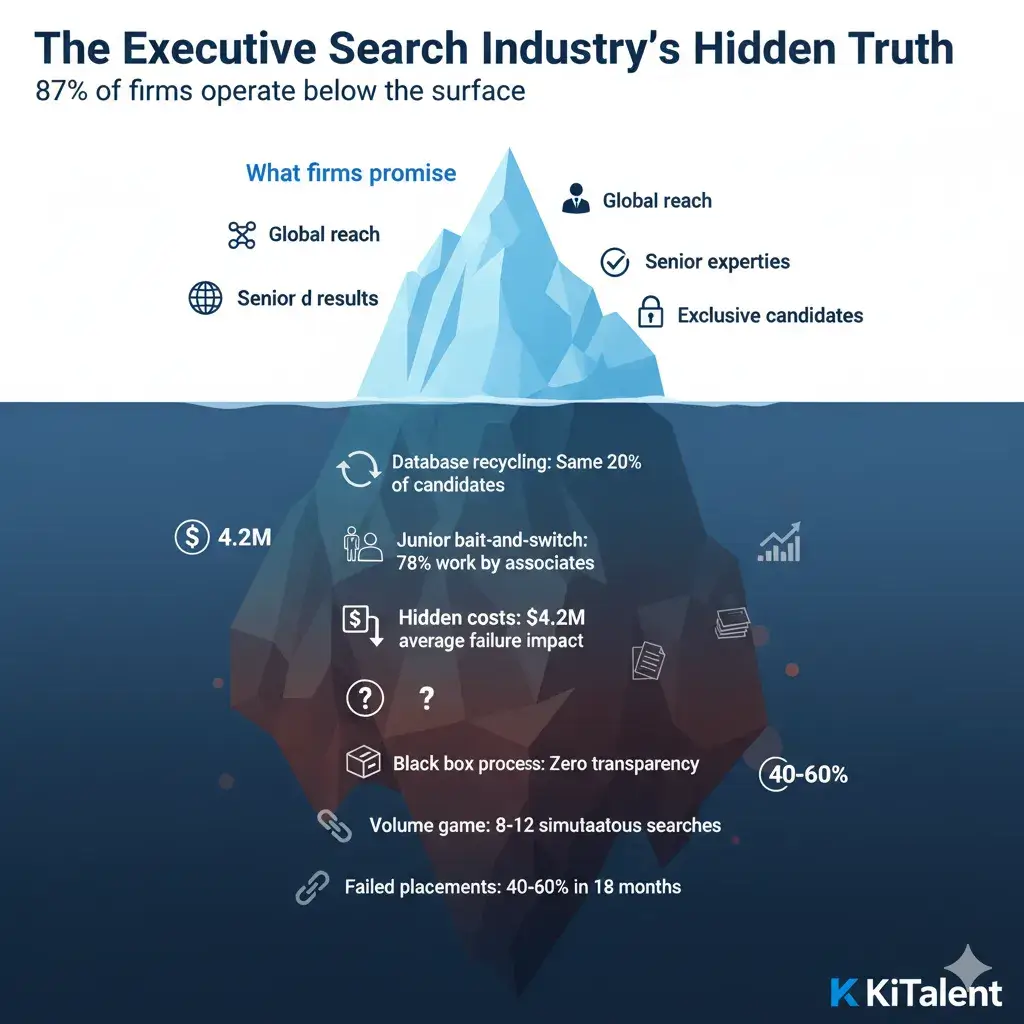
The wider economics are equally important. SHRM benchmarking has shown that executive hires are materially more expensive than nonexecutive hires, and industry research regularly highlights the high cost of failed senior appointments. For boards and PE operators, the better question is not simply the fee, but the total cost of getting the decision wrong or letting a value-creation role sit open too long. If you want the broader context around vacancy risk and the commercial drivers behind pricing, review what affects search cost.