Why Genoa is one of Italy's most complex executive markets
Standard recruitment methods fail in Genoa for reasons that have nothing to do with the city's size. The market is defined by overlapping industrial clusters that draw from the same finite pool of senior technical and commercial leaders. A naval architect with dual-fuel propulsion expertise is being courted by Fincantieri, by offshore wind developers, and by classification societies simultaneously. A cybersecurity director with critical infrastructure experience is relevant to the port authority, to Leonardo's electronics division, and to every logistics operator running IoT-connected terminals. The visible candidate pool is thin. The competition for the invisible one is intense.
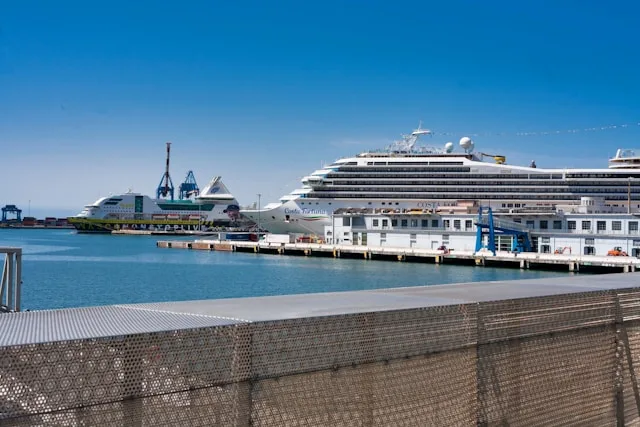
Genoa's port system handles approximately 2.7 million TEUs annually, making it Italy's busiest container port by value. The completion of the Breakwater Extension (Genoa Gateway) has increased berth capacity for ultra-large container vessels and reduced weather-related downtime by an estimated 15%. The rollout of the port's Digital Twin platform is adding demand for AI, IoT, and cybersecurity leadership that did not exist five years ago. Every investment in physical infrastructure creates a parallel demand for executives who can integrate digital systems into legacy operations. These profiles are scarce everywhere. In a metropolitan area of 1.5 million people with a shrinking population, they are exceptionally scarce.
The University of Genoa produces approximately 2,500 engineers annually. A material share of them leave. Software developers migrate to Milan. Industrial engineers are drawn to Turin's automotive and aerospace clusters. What remains in Genoa is a loyal but ageing technical workforce: the average age of skilled shipyard workers exceeds 48. At the executive level, this means succession planning is not a future concern. It is a present one. Companies that wait for senior leaders to appear on the open market will wait a long time. The hidden 80% of passive talent that defines any tight market is even more pronounced here, where the total addressable population of qualified leaders is already constrained by demographic decline.
Genoa's green transition is creating entirely new executive roles. Chief Sustainability Officers with EU Taxonomy experience and maritime decarbonisation knowledge. Port Digitalization Directors who combine logistics operations with AI implementation. Blue Economy CFOs who understand project finance for offshore wind and green hydrogen. These are not roles that can be filled by promoting from within a single sector. They require leaders who sit at the intersection of two or three disciplines. The search for them cannot rely on job postings or LinkedIn activity. It requires direct headhunting into specific companies, specific project teams, and specific career trajectories.
This is why a Go-To Partner approach matters in Genoa. The city's executive market rewards firms that already know who holds which role, at which company, and what it would take to move them. It punishes firms that start from zero.