Why Terni Is One of Italy's Most Difficult Executive Markets to Hire In
A city of 106,000 people does not behave like a mid-sized recruiting market. Terni behaves like a specialist ecosystem with the complexity of a much larger economy and the candidate pool of a provincial centre. Standard recruitment methods fail here for reasons that are specific, measurable, and getting worse.
Terni's working-age population has contracted by 1.8% annually since 2020. That is not a slow demographic trend. It is a compounding loss that erodes the local leadership pipeline every year. The city's €10,000 relocation grants for STEM graduates signal the severity of the problem: Terni is actively paying people to come back. For employers seeking experienced plant directors, hydrogen systems engineers, or supply chain resilience managers, the implication is clear. The leaders they need are not in Terni. They are in Milan, Turin, Frankfurt, or Pittsburgh, and they will not respond to a job posting on an Italian portal.
Reaching the hidden 80% of passive talent is not a theoretical advantage here. It is the only viable approach.
Marcegaglia Terni Stainless, Arvedi Terni Tubing, Terni Titanium Alloys, Leonardo Elettronica, the Terni Hydrogen Hub consortium, and a cluster of 15 to 20 defense-adjacent SMEs all operate within a few kilometres of each other. They draw from the same engineering faculties, the same ITS Academy graduates, and the same mid-career professionals commuting from Viterbo and Rieti. When Leonardo added 220 engineers in 2025, it did not create those engineers. It moved them from somewhere. In a market this concentrated, every senior hire is effectively a competitor's senior loss. Discretion is not optional. It is the baseline requirement.
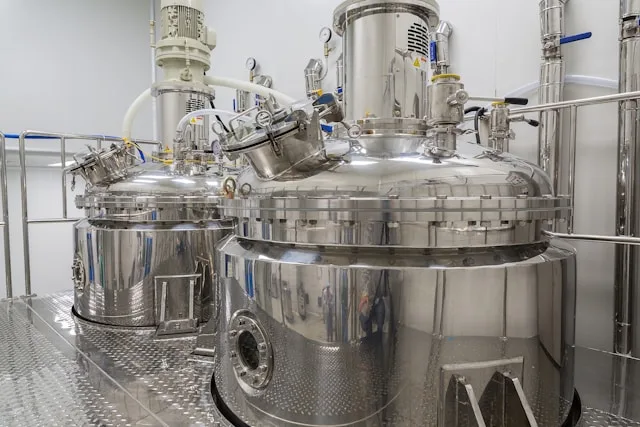
Terni's economy is not simply growing. It is changing its composition. The shift from commodity stainless steel to high-margin functional materials, including nickel-based superalloys for GCAP and titanium powder metallurgy for medical implants, demands a different kind of leader. A plant manager who ran a blast furnace is not automatically qualified to run a hybrid electric arc furnace powered by green hydrogen. A procurement director who sourced ferrochrome at spot prices is not prepared for EU Carbon Border Adjustment Mechanism compliance. The leadership profiles this city needs did not exist five years ago.
This is why a Go-To Partner approach matters more in Terni than in larger, more liquid markets. The search firm must already understand who has the skills before the mandate arrives. Waiting to start research after receiving a brief means losing weeks the client cannot afford.