Why Rho is a deceptively difficult executive market
From a distance, Rho looks like a satellite of Milan. The metro line connects it. The postcode sits within the metropolitan area. But anyone who has tried to hire a senior logistics director, an event technology leader, or a sustainability head here knows the truth: Rho's talent dynamics are distinct from Milan's and, in several respects, more constrained.
The city's 4.1% unemployment rate sits below the Lombardy average. That figure alone signals tightness. But it conceals a deeper problem. The executives capable of running automated fulfilment operations, scaling hybrid exhibition platforms, or managing ESG compliance for logistics real estate are a small, identifiable population. They know each other. They are courted regularly. And standard recruitment methods consistently fail to reach them.
Fiera Milano and Amazon Italia together account for roughly 35% of Rho's private-sector employment. This concentration means a meaningful fraction of the city's experienced leaders sit inside just two organisations. When a third company needs a supply chain director or a venue operations head, the shortlist narrows fast. Job postings attract applicants from the broader Milan area, but candidates with Rho-specific operational knowledge are scarce and rarely active on the market.
Rho's residential rents have risen 12% since 2024, reaching €14 per square metre per month. For mid-level industrial workers earning €28,000, the maths no longer works. The result is growing reliance on commuters from Novara and Varese provinces. For senior hires, this creates a different calculation: executives considering a move to Rho-based employers weigh total compensation against a cost base that is climbing toward inner-Milan levels without the lifestyle amenities of central Milan. Compensation calibration is not optional here. It is the difference between closing an offer and losing a candidate at the final stage.
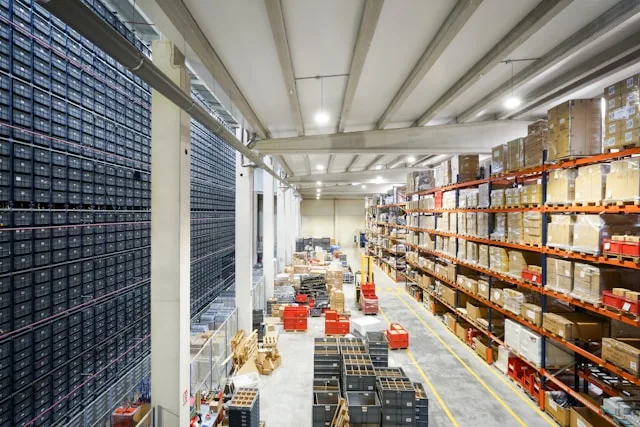
Rho's warehouses are no longer warehouses in the traditional sense. Automated storage and retrieval systems, AI-driven yard management, and IoT freight-tracking protocols have transformed the sector. The executives who ran manual fulfilment operations five years ago are not the executives who can lead tech-enabled ones today. Rho lacks a university within its borders. The pipeline from Politecnico di Milano's Bovisa campus and the MIND research cluster feeds into the broader Milan market, not specifically into Rho. Finding leaders with hybrid logistics-technology backgrounds requires looking beyond the visible candidate pool, into the hidden 80% of passive talent that conventional methods never surface.
This is why a Go-To Partner approach built on continuous market intelligence matters more here than in larger, more liquid talent markets. Rho rewards firms that already know who holds which role, at which company, before a mandate begins.